
Pilates Instructor UK Guide: How to Start Your Journey
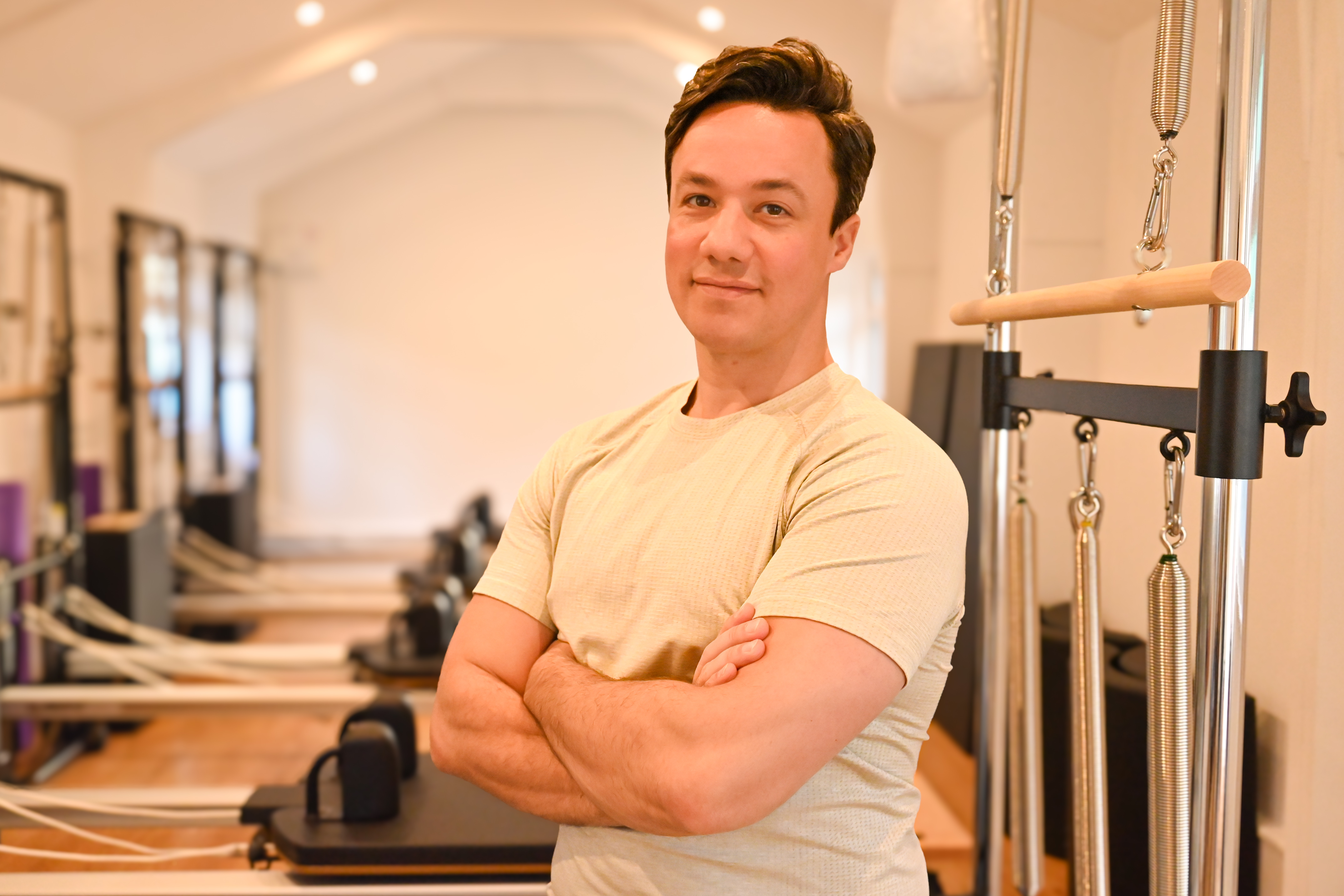
Becoming a Pilates instructor in the UK is a rewarding path. It allows you to help others improve their movement, strength, and wellbeing. If you enjoy Pilates and want to share its benefits, this guide will walk you through the steps. I will explain what you need to know, the qualifications required, and how to build a successful career.
Understanding the Pilates Instructor UK Guide
Starting as a Pilates instructor means more than just loving the exercises. You need to understand the principles behind Pilates and how to teach them safely. Pilates focuses on controlled movements, breathing, and alignment. As an instructor, you guide clients through exercises that improve posture, flexibility, and core strength.
You will work with different people, from beginners to those with injuries or special needs. This means your teaching style must be adaptable and clear. You will also need to keep learning and updating your skills to stay confident and effective.

Steps to Becoming a Pilates Instructor in the UK
Here is a simple plan to follow if you want to become a Pilates instructor:
Practice Pilates Regularly
Before teaching, you should have a solid personal practice. Attend classes and try different styles to understand what works best for you.
Research Training Courses
Look for accredited Pilates instructor courses in the UK. These courses vary in length and depth. Choose one that fits your goals and schedule. We highly recommend the STOTT PILATES® path, led by Lead Instructor Trainer Saulo Ouverney at Sole Pilates Studios - official Merrithew® Host Training Centre.
Enroll in a Training Programme
Training usually includes anatomy, Pilates techniques, teaching methods, and practical sessions. You will learn how to work with clients safely. STOTT PILATES® has a Anatomy and Exercise FUncdamentals for Movement Professionals Course - one of the best in global market.
Complete Assessments
Most courses require you to pass written exams and practical teaching assessments. This ensures you are ready to instruct others.
Gain Teaching Experience
Start by assisting classes or offering sessions to friends and family. This builds your confidence and skills.
Keep Learning
Pilates is always evolving. Attend workshops and refresher courses to stay up to date. At Sole Pilates Studios we offer Continuing Education Workshops open to all Pilates Instructors. They cover everything from fundamentals, sport and athletic conditioning, to rehabilitation and special population. STOTT PILATES® workshops and courses are credited by ACE, CIMSPA, NPCP, DPV, PAA, AUSactive and many more third-party accreditation bodies recognise STOTT PILATES® education.
What Qualifications Do I Need to Teach Pilates in the UK?
To teach Pilates professionally, you need recognised qualifications. The most respected courses cover mat work and equipment-based Pilates, such as reformers, cadillac, chair and barrels.
A typical qualification path includes:
Diploma in Pilates Instruction
This is the standard qualification for teaching Pilates in the UK. It covers anatomy, Pilates principles, and teaching skills.
Specialist Workshops
After your diploma, you can take extra courses on areas like pre/postnatal Pilates, rehabilitation, osteoporosis, or advanced equipment.
CPD (Continuing Professional Development)
Many professional bodies require you to complete CPD hours yearly. This keeps your knowledge fresh and your teaching safe.
When choosing a course, check if it is accredited by organisations like the Register of Exercise Professionals (REPs) or CIMSPA. This ensures the training meets industry standards. STOTT PILATES® courses and workshops are recognised by several third-party accreditations.

Building Your Career as a Pilates Instructor
Once qualified, you can start teaching in various settings:
Pilates Studios
Many instructors begin by working in established studios. This gives you access to clients and professional support.
Gyms and Health Clubs
These venues often hire Pilates instructors to add variety to their class schedules.
Private Clients
Offering one-to-one sessions can be rewarding and flexible. You can work in clients’ homes or your own space.
Online Classes
Teaching Pilates online has grown in popularity. It allows you to reach more people and work from anywhere.
To grow your career, focus on:
Building a Strong Network
Connect with other fitness professionals and potential clients.
Marketing Yourself
Use social media, a website, and local advertising to promote your services.
Continuing Education
Keep improving your skills and adding new specialisms.
Tips for Success and Staying Motivated
Teaching Pilates is a journey. Here are some tips to help you stay on track:
Be Patient
Building a client base takes time. Keep practicing your teaching skills and stay positive.
Listen to Your Clients
Every person is different. Tailor your sessions to their needs and goals.
Stay Healthy
Your own wellbeing affects your teaching. Maintain your fitness and manage stress.
Seek Feedback
Ask clients and peers for constructive feedback to improve.
Celebrate Progress
Recognise your achievements, no matter how small.
If you want to learn more about how to become a Pilates instructor UK, there are many resources and communities ready to support you.
Embracing the Pilates Instructor Path
Becoming a Pilates instructor in the UK is a fulfilling way to share health and movement benefits. With the right training, qualifications, and mindset, you can build a career that helps others and brings you joy. Remember, every expert started as a beginner. Take your first step today and enjoy the journey ahead.


The quality of the content is evident from the very first lines. The author demonstrates a good knowledge of the subject. I pointed this text out to a colleague who was looking for similar information. It is a good reference point for anyone wanting to explore the topic.