
Training to Become a Pilates Instructor: Your Path to a Rewarding Career
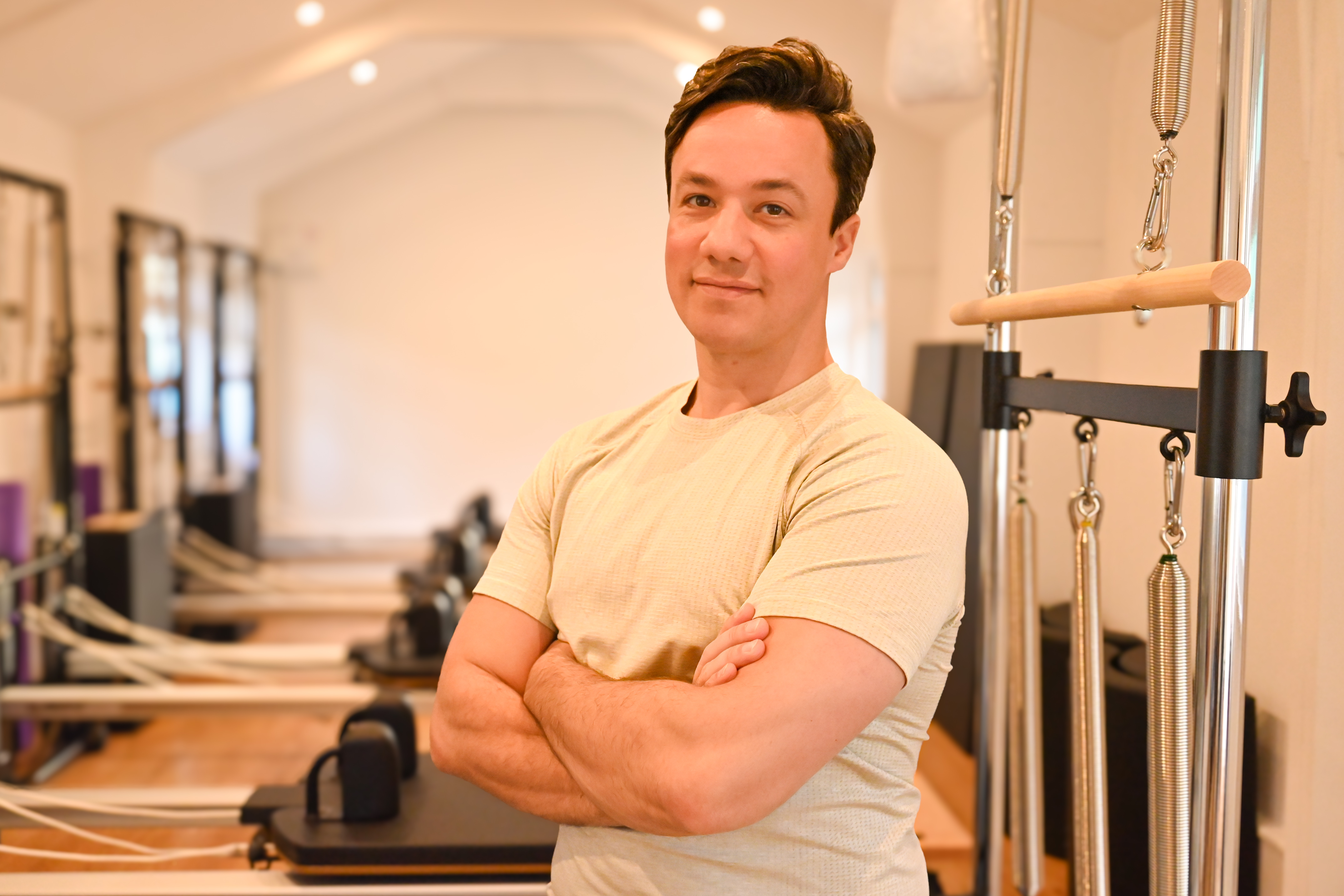
Becoming a Pilates instructor is an exciting journey that combines passion for fitness with the opportunity to help others improve their health and wellbeing. Pilates is a popular form of exercise that focuses on core strength, flexibility, and mindful movement. If you are considering a career in this field, understanding the training process and what it entails is essential. This guide will walk you through the key steps and considerations for training to become a Pilates instructor.
Understanding Pilates Instructor Training
Pilates instructor training is designed to equip you with the knowledge and skills needed to teach Pilates safely and effectively. The training covers anatomy, Pilates principles, exercise techniques, and teaching methods. It often includes both mat work and equipment-based Pilates, such as reformer, cadillac, chair and barrels exercises.
Training programmes vary in length and intensity, but most require a combination of theoretical study and practical experience. You will learn how to modify exercises for different clients, including those with injuries or special needs. This comprehensive approach ensures you can deliver personalised sessions that meet individual goals.

Key Components of Pilates Instructor Training
Anatomy and Physiology: Understanding the human body is crucial for safe instruction.
Pilates Principles: Mastering concepts like concentration, control, and breathing. At SolePilates we cover all the STOTT PILATES biomechanical principles.
Exercise Techniques: Learning mat and equipment exercises in detail.
Teaching Skills: Developing communication and class management abilities.
Practical Experience: Gaining hands-on practice through supervised teaching.
How to Choose the Right Pilates Instructor Training Programme
Selecting the right training programme is a critical step. Look for courses that are accredited by recognised Pilates organisations. Accreditation ensures the programme meets industry standards and is respected by employers and clients. At SolePilates Deddington we offer all STOTT PILATES Certification Courses.
Consider the following factors when choosing a course:
Course Content: Does it cover both mat and equipment Pilates?
Duration and Schedule: Can you commit to the time required?
Trainer Expertise: Are the instructors experienced and qualified? All Courses at SolePilates Deddington are led by expert STOTT PILATES Lead Instructor Trainer Saulo Ouverney.
Certification: Will you receive a recognised qualification upon completion?
Support and Resources: Is there ongoing support after training?

What qualifications do I need to be a Pilates teacher?
To become a Pilates teacher, you typically need to complete a recognised instructor training programme. These qualifications ensure you have the necessary expertise to teach safely and effectively.
Most training programmes require:
Basic Fitness Knowledge: Some prior experience in fitness or Pilates is beneficial.
Completion of a Training Course: This includes both theory and practical assessments.
CPR and First Aid Certification: Many employers require this for safety reasons.
Continuing Education: Pilates instructors often pursue ongoing training to stay updated.
In the UK, there is no legal requirement for a specific qualification to teach Pilates, but holding a recognised certification significantly enhances your credibility and employability. It also ensures you understand how to adapt exercises for different client needs, including those with injuries or health conditions.
Practical Tips for Success in Pilates Instructor Training
Training to become a Pilates instructor can be challenging but rewarding. Here are some practical tips to help you succeed:
Practice Regularly: Develop your own Pilates practice to deepen your understanding.
Engage Fully in Practical Sessions: Hands-on experience is invaluable.
Ask Questions: Clarify doubts with your trainers to build confidence.
Observe Experienced Instructors: Learn different teaching styles and techniques.
Prepare for Assessments: Review theory and practice teaching regularly.
Network with Peers: Building connections can open up job opportunities.
Remember, teaching Pilates is not just about demonstrating exercises. It involves motivating clients, correcting form, and creating a positive environment. Developing strong communication skills is just as important as mastering the exercises.
Career Opportunities After Pilates Instructor Training
Once you have completed your training and obtained certification, a variety of career paths open up. Pilates instructors can work in:
Pilstes Studios and Gyms: Leading group classes or private sessions.
Rehabilitation Centres: Assisting clients recovering from injury.
Corporate Wellness Programmes: Providing Pilates sessions for employees.
Private Practice: Building your own client base and teaching independently.
Specialised Areas: Such as pre/postnatal Pilates or Pilates for athletes.
Many instructors also choose to continue their education by specialising in areas like Pilates for seniors or Pilates with equipment. This can increase your marketability and allow you to serve niche client groups.
Continuing Professional Development in Pilates
The fitness industry is always evolving, and Pilates is no exception. To maintain your skills and stay competitive, ongoing professional development is essential. This can include:
Attending workshops and seminars.
Completing advanced Pilates certifications.
Learning about new equipment and techniques.
Staying informed about health and fitness research.
Continuing education not only improves your teaching but also demonstrates your commitment to clients and employers.
Training to become a Pilates instructor is a fulfilling way to combine your passion for fitness with a meaningful career. By choosing the right training programme, gaining practical experience, and committing to ongoing learning, you can build a successful career helping others improve their health and wellbeing. Whether you aim to teach in a studio, work in rehabilitation, or start your own business, the skills you develop will open many doors in the world of Pilates.


Comments